

Program Background

The Critical Language Scholarship (CLS) Program provides funded, intensive summer study abroad opportunities in nine languages critical to U.S. security and prosperity. The program is open to U.S. undergraduate and graduate students.
The CLS Program equips America’s next generation of government, business, and scientific leaders with foreign language skills, international experience, and global networks that support U.S. interests. Since its inception in 2006 as part of the interagency National Security Language Initiative, the CLS Program has supported more than 10,000 U.S. participants, representing all 50 states, to learn languages of strategic importance.
CLS alumni join a distinguished network of U.S. Department of State Exchange Alumni, with opportunities for ongoing engagement, continued learning, and professional growth.
Program Structure
Participants receive the equivalent of one year of college-level language study in just eight weeks through intensive language instruction and cultural activities that reinforce language learning and intercultural competence.
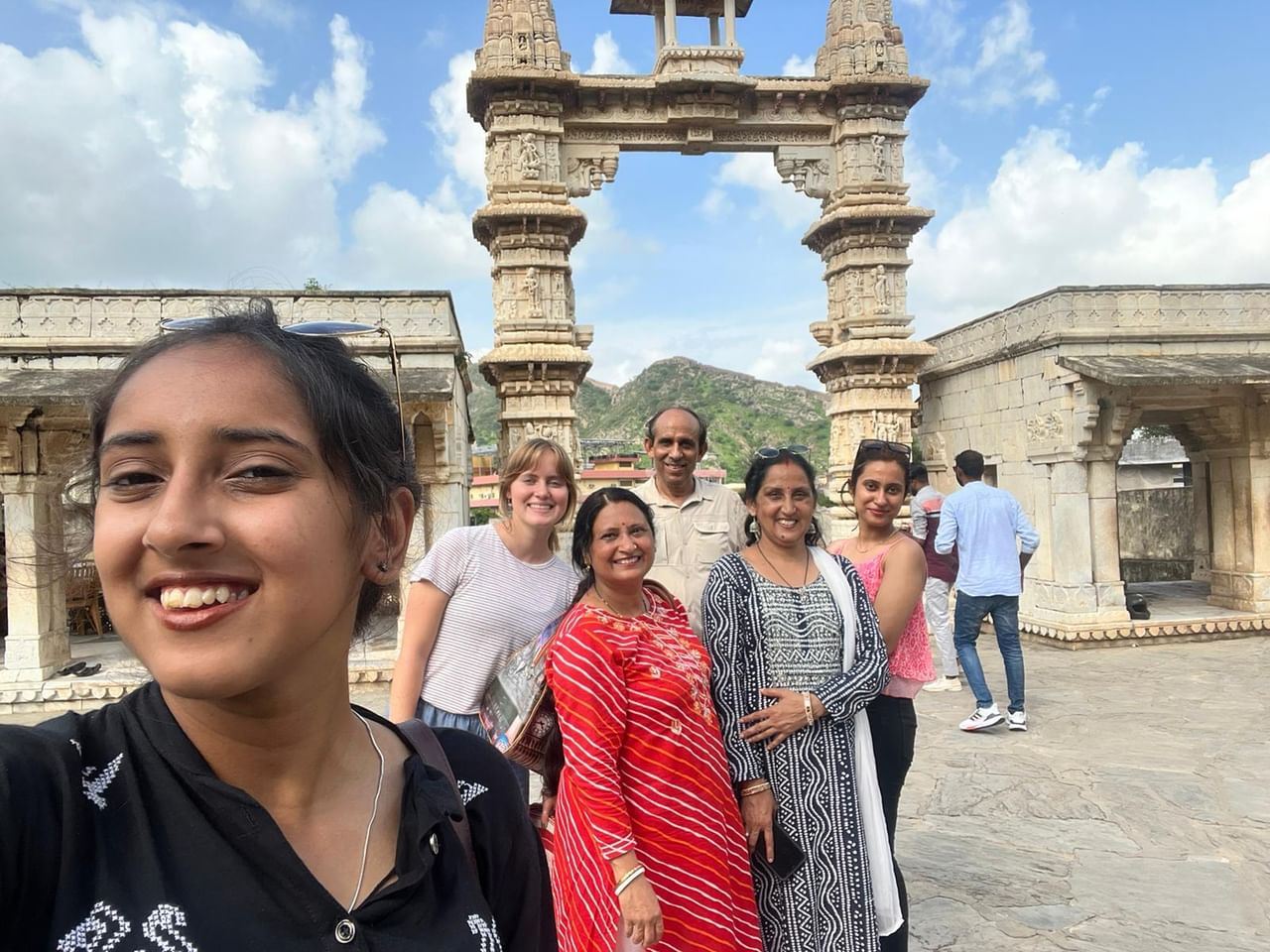
Formal classroom language instruction is provided for a minimum of 18 hours per week. Extracurricular activities include regular one-on-one sessions with instructors, conversation practice with local language partners, and hands-on cultural activities and excursions to historic sites.
Program Benefits
CLS participants will receive:
-
Language & Cultural Exposure
Intensive language instruction and cultural enrichment experiences.
-
Learning Materials
Textbooks and language learning materials.
-
Certified Language Gains
Official certification of language gains through ACTFL OPI test.
-
Academic Credit
Academic credit issued through Bryn Mawr College
-
International & Domestic Travel
International and domestic travel between the student's home city in the U.S. and the CLS Program site abroad.
-
Visa Application Fees
Visa application fees, where applicable.
-
Room & Board
Room, board, and program-sponsored travel within the host country or location.
Additional program benefits may be provided at a later date.
Other expenses, such as, but not limited to, will not be covered:
Passport Fees
U.S. passport fees (except for students who are eligible and apply for CLS Passport Assistance).
Medical Exams
Cost of medical exams and any follow-up visits necessary to pass the medical review process, as determined by the CLS Program.
Immunizations
Cost of immunizations required for entry, as well as costs for travel health clinical appointments.
The CLS Program is a program of the U.S. Department of State with funding provided by the U.S. Government and supported in its implementation by American Councils for International Education.
The U.S. Department of State’s Bureau of Educational and Cultural Affairs (ECA) designs and implements educational, professional, and cultural exchange programs and other initiatives that create and sustain the mutual understanding with other countries necessary to advancing United States foreign policy goals.
Critical Language Scholarship recipients are among the more than 30,000 exchange program participants that are overseen annually by ECA. Other programs the Bureau manages include the Fulbright Program and the Benjamin A. Gilman International Scholarship Program.
American Councils for International Education advances scholarly research and cross-border learning through the design and implementation of educational programs that are well grounded in key world languages, cultures and regions. It contributes to the creation of new knowledge, broader professional perspectives, and personal and intellectual growth through international training, academic exchange, collaboration in educational development, and public diplomacy. With a presence in the U.S., Russia and Eurasia for nearly four decades, in addition to representation in over thirty countries across Asia, the Middle East and Southeastern Europe, American Councils strives to expand dialog among students, scholars, educators and professionals for the advancement of learning and mutual respect in the communities and societies in which we work.
Founded in 1974 as an association for area and language professionals, American Councils has focused its expertise on academic exchange, professional training, distance learning, curriculum and test development, and research. In its four decades, American Councils has developed into one of the premier American education and international training organizations, offering quality-assured, intensive overseas language study and research programs for U.S. undergraduates, graduate students, teachers and scholars.
